Low Level Waste Repository (LLWR)
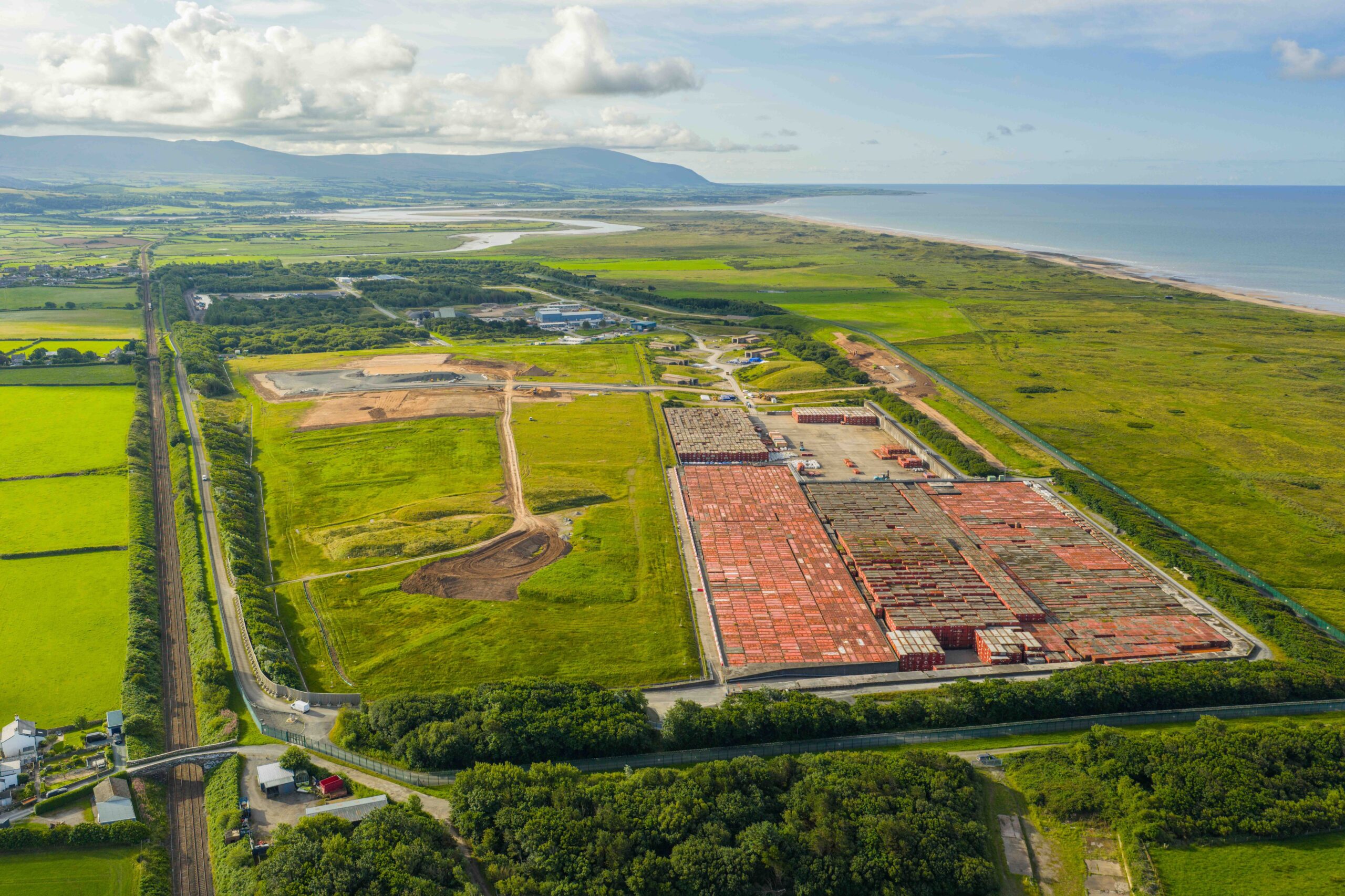
The Repository is a nuclear licensed site in Cumbria and is currently the only facility in the UK that can receive all categories of low level waste. We are working on the final capping of legacy disposal trenches and vaults, which are now full and ready for permanent closure.
Environment
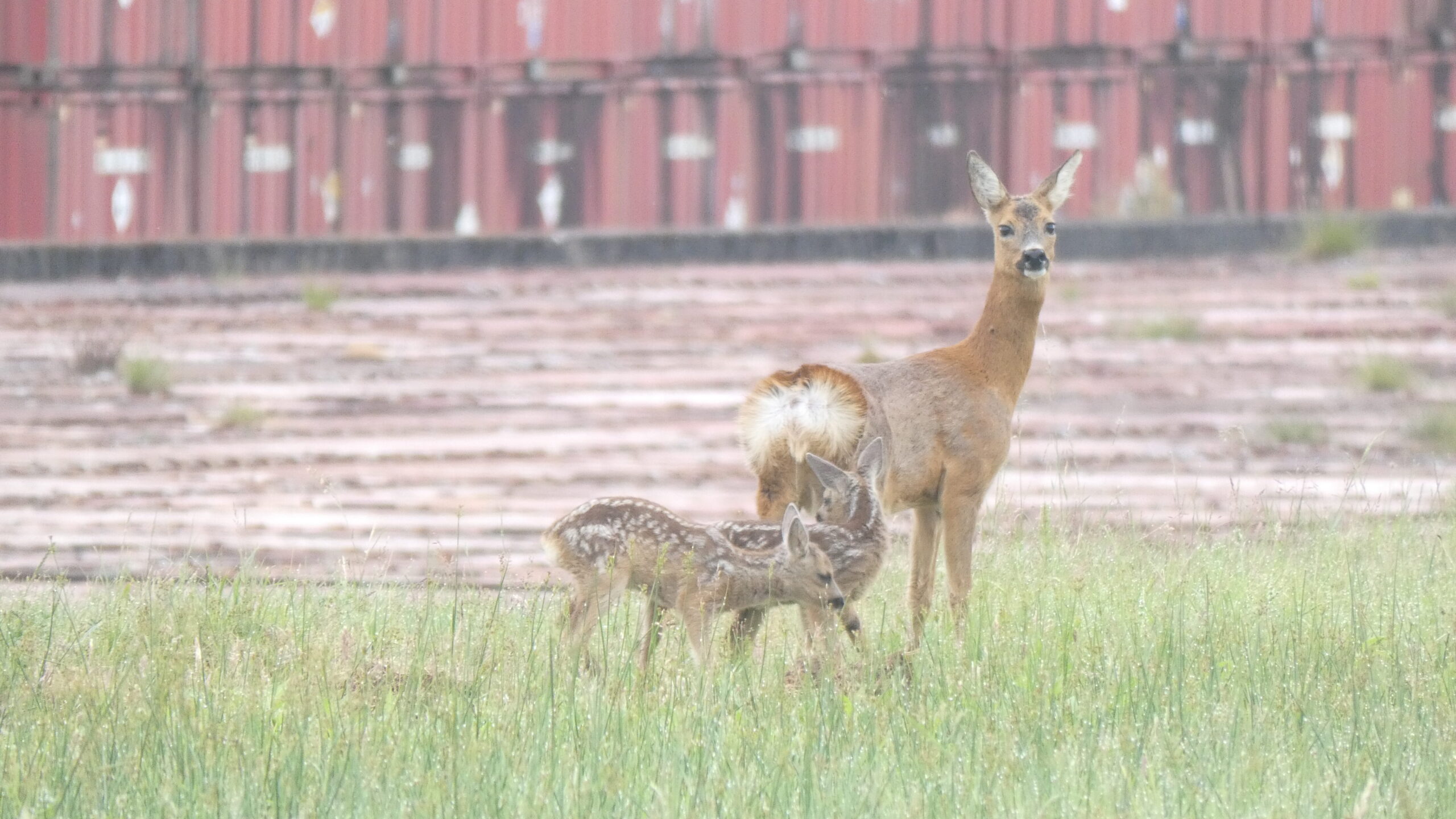
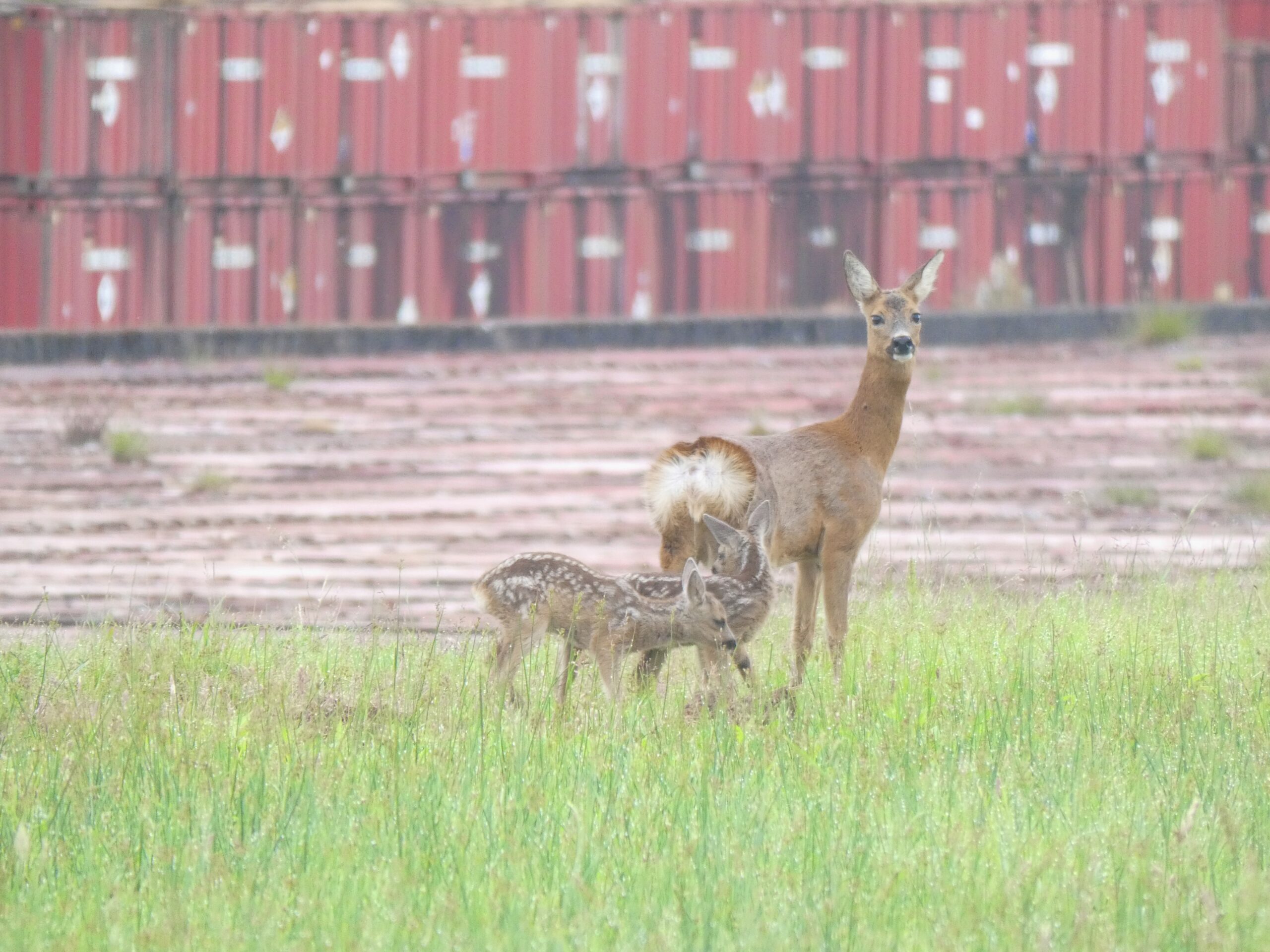
The LLW Repository site has a varied ecology Protecting our environment – Nuclear Waste Services, due in part to its industrial heritage as a Royal Ordnance Factory, as well as its proximity to the Drigg Coast Site of Special Scientific Interest (SSSI) and Special Area of Conservation (SAC). The Repository site is host to a range of flora and fauna, including roe deer, great crested newts, badgers, pipistrelle bats, various bees and more. We work hard to ensure that site activities have minimal impact on the wildlife.
Our history
The Repository site began as a Royal Ordnance Factory in 1939 and was used to manufacture explosives during WWII, closing in 1944. In 1957, ownership of the site was passed on to the United Kingdom Atomic Energy Authority (UKAEA) and planning consent for the disposal of low level waste was granted, with the first waste being tumble tipped into lined trenches in 1959.
Since then, the site has developed greatly. From Vault 8 opening in 1988, to celebrating 50 years of safe waste management with the opening of Vault 9 in 2009, beginning capping operations in 2023, a lot of work continues on the Repository site to make radioactive waste permanently safe, sooner.
Site Projects
We are currently completing a range of minor and major projects on the Repository site, from maintenance work and site improvements to the demolition of redundant buildings and more. Our key long-term project is capping the site ahead of its final closure.
Capping
We are carrying out multiple long-term projects on the Repository site, which all contribute to our final goal – capping the site. Capping is a key part of the disposal lifecycle. It involves placing an engineered protective barrier over the legacy disposal trenches and vaults, where waste is already in its final disposal location and ready for permanent closure. Comprising of layers of material, totalling up to 10m thick, this engineered protective barrier (‘cap’) over the legacy disposal trenches and vaults will permanently protect the waste, people and the environment by layering natural aggregates and engineered materials like geotextile fabrics and bentonite-enriched soil.
STIM
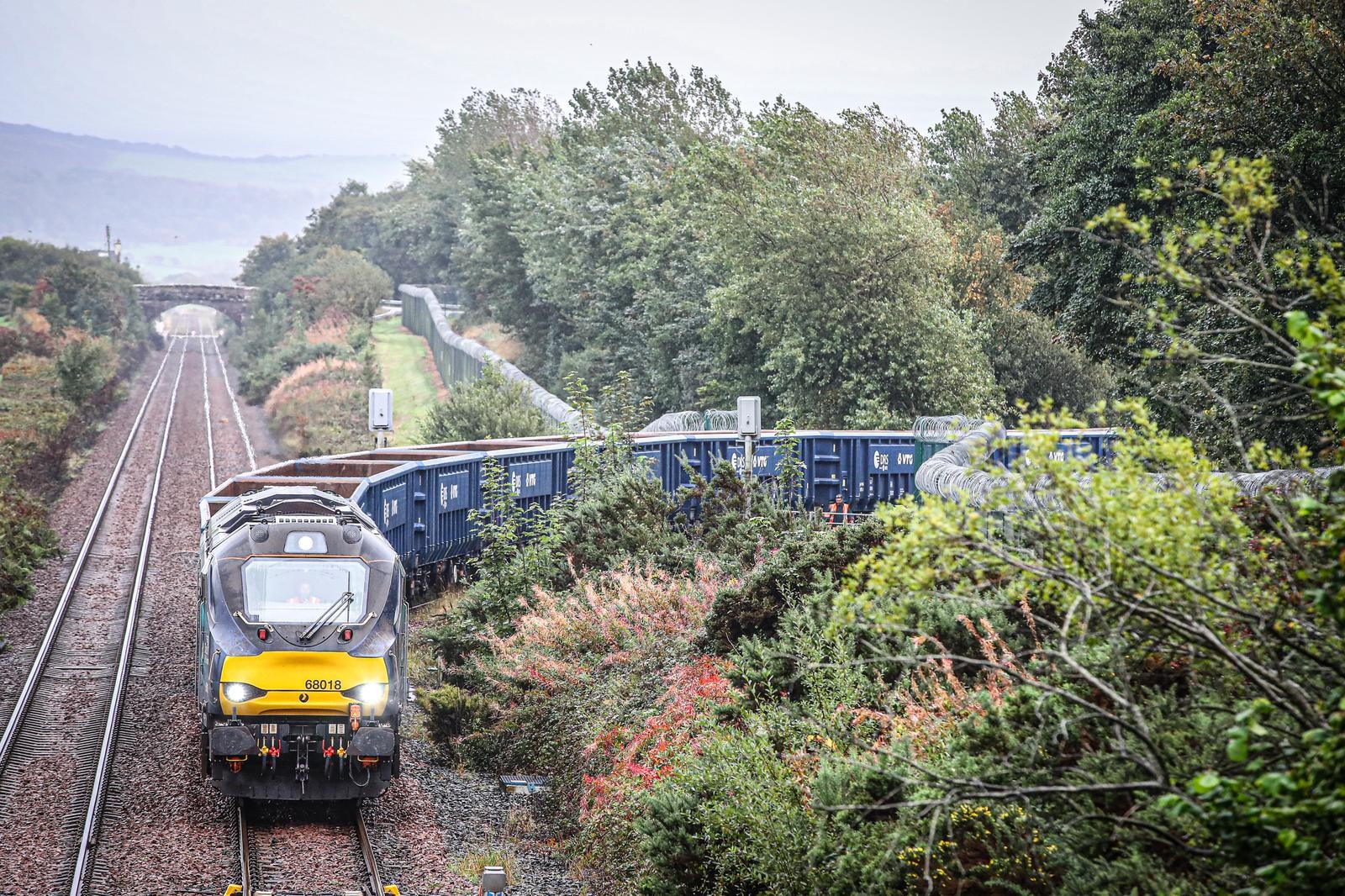
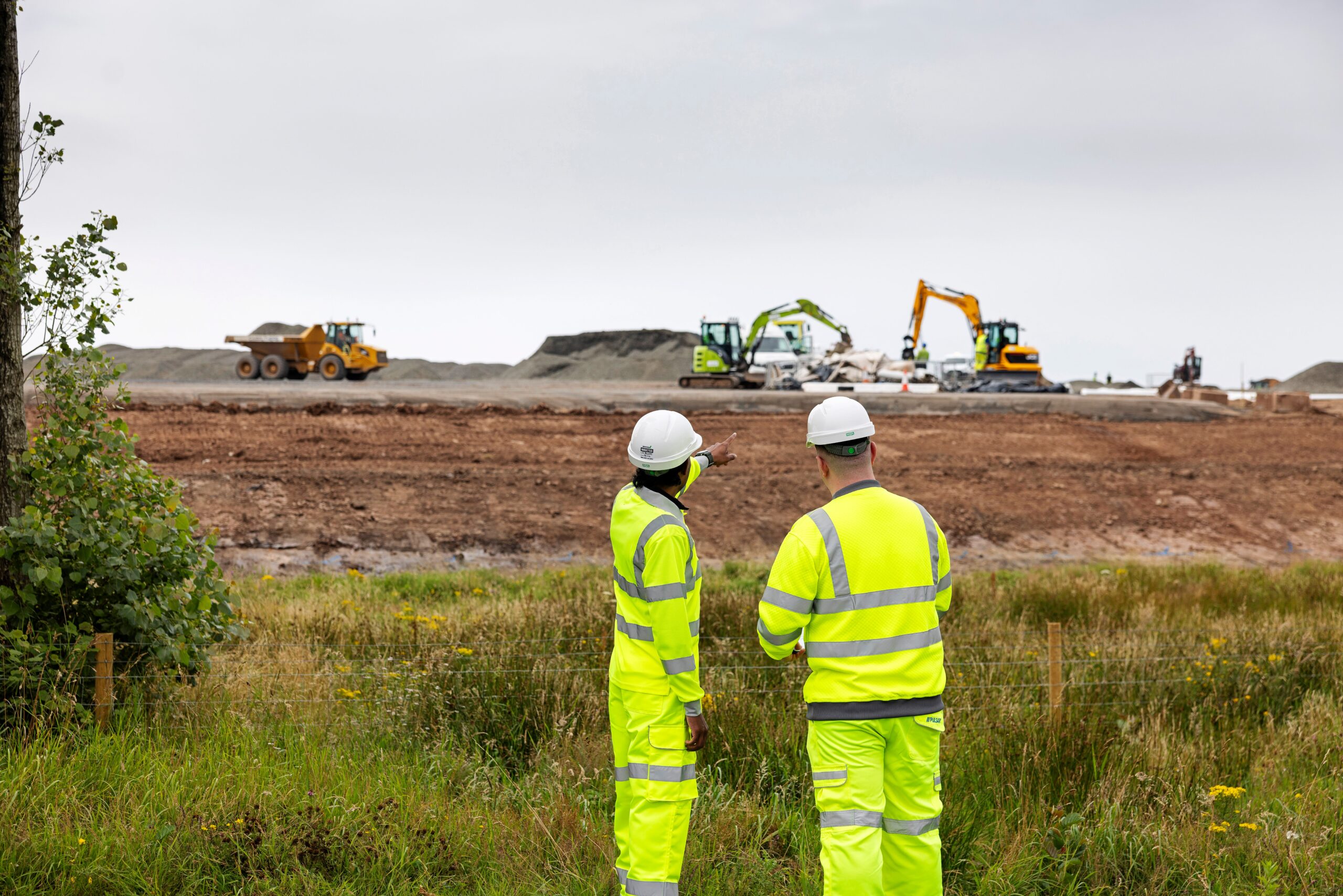
As part of our preparatory works, we are currently completing our Southern Trench Interim Membrane (STIM) project Milestone Reached for Legacy Waste Disposal – Nuclear Waste Services, which involves replacing the protective membrane over the southern part of our legacy waste disposal trenches. STIM is due to be completed in 2028 and will allow the next phase of capping to begin. Over the four-year contract, a total of 280,000 tonnes of aggregate will be delivered to the Repository site – a huge logistical achievement made possible through close collaboration with GRAHAM, specialist transport provider Nuclear Transport Solutions (NTS) and SLR (our construction quality assurance contractor, previously known as Wardell Armstrong).
Environmental Safety Case
As a nuclear licensed site, our work is underpinned by a comprehensive and robust Environmental Safety Case (ESC) a rigorous set of reports which considers environmental safety now, and the legacy we will leave ‘tomorrow’, up to thousands of years in the future.
The ESC is a requirement of our environmental permit to dispose of radioactive waste issued by the Environment Agency (EA). It demonstrates to the regulator and our community that it is safe to continue to dispose of low-level waste at the Repository site. It informs every step of the disposal activity we undertake and shapes how we will continue to responsibly manage the site for decades to come.
Repository Capping, as well as being a significant scope of work both in terms of scale and complexity, fulfils key requirements from our ESC and our obligations under the site permit.