
Finding a suitable site for a Geological Disposal Facility
From Search Areas to Areas of Focus
An important part of the journey towards a Geological Disposal Facility (GDF) is identifying potentially suitable sites.
Nuclear Waste Services (NWS) is currently gathering information to understand if the current Search Areas, in Mid Copeland and South Copeland in Cumbria, could be suitable to host a GDF.
A Search Area is the geographical area on land made up of one or more electoral wards, where NWS is considering potential sites.
In your area…
Find out more about Areas of Focus in your local area. Also find details of all the events we’ll be hosting so you can come and talk to our experts.


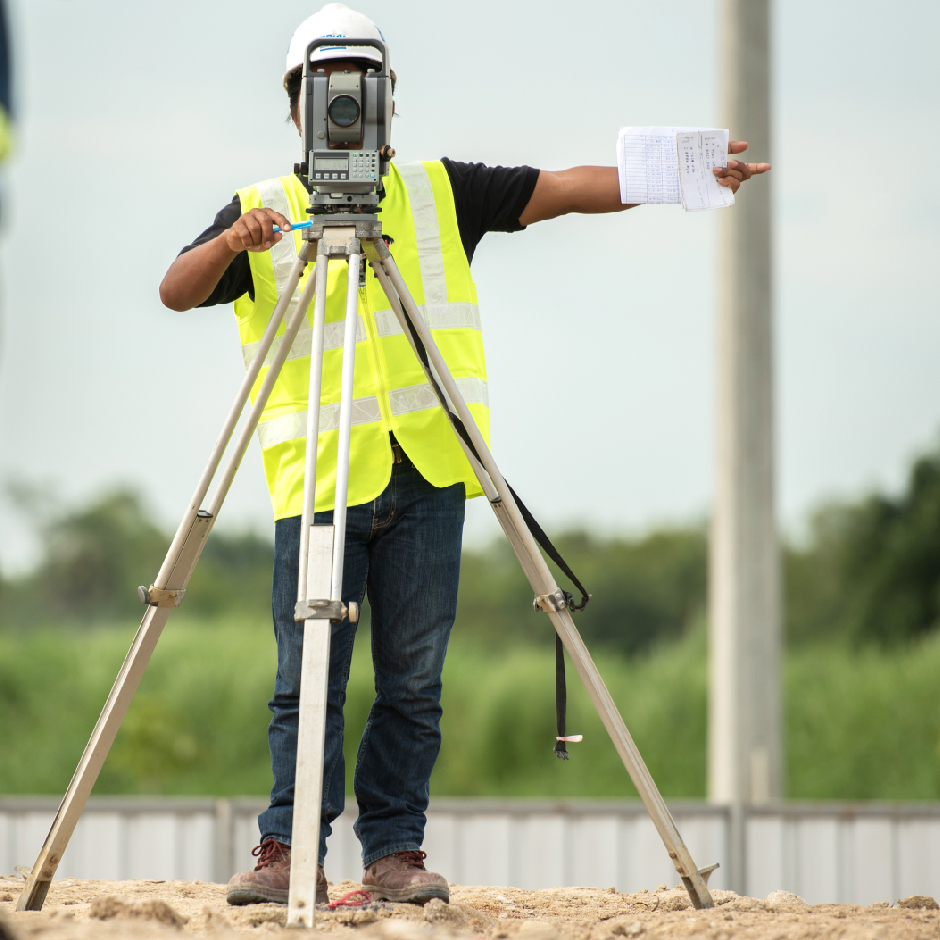
About a GDF
A Geological Disposal Facility (GDF) is a facility designed to safely and securely dispose of the most hazardous radioactive waste in highly engineered vaults and tunnels deep underground.
For a location to be suitable, it needs to include the right sub-surface geological environment, deep underground for the disposal area, a surface location, and the ability to connect the two with accessways.
Identifying ‘Areas of Focus’
As it is difficult to carry out some of the more detailed feasibility studies required in large Search Areas and the adjacent inshore (the area beyond the coast out to a maximum of 22km), NWS identifies smaller ‘Areas of Focus’ in the Search Area, as the next step in the process of finding potentially suitable sites.
This allows focused site evaluation studies and prioritisation of resources to consider the potential for an area to safely host a GDF.
The methodology GDF Identifying Areas of Focus explains how NWS select areas for further investigation.
The process to identify a preferred site
A decision on the site(s) to take forward in the process for more detailed investigations would need to be approved by the Secretary of State. Exact locations for borehole drilling would be determined though consultation and environmental assessment work.
Over many years borehole data, together with results from research and development, will be used to build understanding of whether an area could safely host a GDF.

Journey to a GDF
Further permissions and a positive Test of Public Support (ToPS) would also be required for development of a GDF. These permissions will include consultation and environmental assessment studies to help develop and refine NWS’ preferred GDF site location and boundary.
The whole process to identify a preferred site is expected to take 10-15 years, while constructing, operating and closing the facility would take 150 years or more.