
Investing in our leaders of the future
By Russell Morris, Principal Capability Development at Nuclear Waste Services
The nuclear industry is growing. The UK has been producing and managing nuclear waste for many decades and will continue to do so for many more. The ability to safely manage and dispose of nuclear waste, is crucial – and taking a proactive approach to the development of the next generation is as essential as delivering the technical innovations that will drive the nuclear sector forward.
Almost all nuclear infrastructure and operations projects stretch across generations, which means we not only need the right skills and the right people for present day operations, but we need the skills and generational development to grow throughout a nuclear lifetime – which could be upwards of 100 years. As such, apprenticeships programmes, group graduate schemes, training programmes and school outreach initiatives are an essential part of finding, nurturing and developing our industry’s future leaders.
There is now, more than ever before, a strong need and demand for apprenticeships and graduate development programmes. One of the biggest value elements these programmes offer is in identifying and schooling good management skills at the early career stages – and doing this the right way is an essential part of any nuclear company’s leadership strategy. The NDA group, for example, has more than 1,000 individuals in an early careers programme – and NWS alone is currently supporting 18 apprentices and 33 graduates across disciplines including nuclear science, project management, facilities management, commercial, finance, cyber, engineering and HR. Not only is this developing leadership talent within NDA, but it is building vital skills and expertise that will be relevant and beneficial to the wider industry.
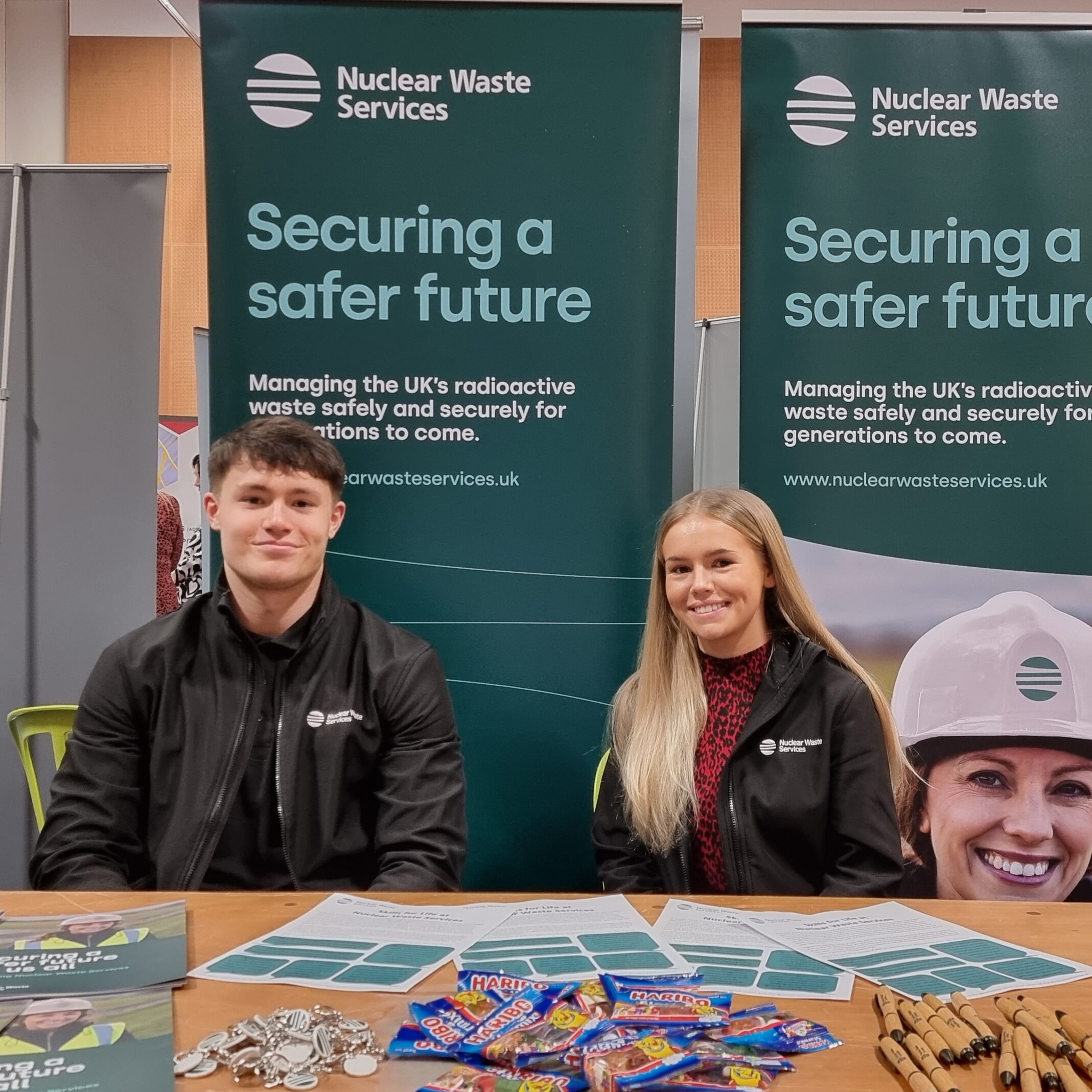
Stepping down a level on the leadership ladder, investing in the education and development of students can be approached in many ways. Attending career fairs to showcase the different opportunities and career paths within the industry, for example, is as important for building up awareness and positivity in the industry as much as it in helping to highlight apprenticeship and work experience opportunities. One approach taken by NWS is to visit schools and support student mock interviews, delivering curriculum aligned lessons and setting school projects for students to help build teamwork and leadership.
Wider initiatives such as Dream Placement Programme and Bright Stars Competition – which are both coordinated by the Cumbria-based Centre of Leadership Performance – provide co-ordinated opportunities for companies like NWS to provide direct one-week work experience opportunities, where students can learn more about career opportunities and leadership, while participating companies can often learn from the students too.

Teddy Waning, a Dream Placement Student who went on to join NWS, explains: “I saw first-hand the organisation’s commitment to developing the next generation. That experience confirmed that NWS was where I wanted to build my career. I later joined as a Nuclear Scientific Degree Apprentice and, two years on, I’ve benefited from a wide range of technical and personal development opportunities.
“Working across two teams has exposed me to different leadership styles and taught me that effective leadership isn’t one-size-fits-all. It’s about adapting your approach, communication, and mindset to the people around you. That culture of adaptable, supportive leadership is one of NWS’s greatest strengths when working with early careers.”
The Bright Stars programme, meanwhile, is firmly fixed on the earlier years. It is a competition in which primary school pupils are challenged to develop their own social enterprise to ‘make a profit and make a difference.’ The aim is to nurture a culture of aspiration and enterprise amongst the pupils – and it has proven to be a great way to support the learning and development of the future generation whilst investing into local communities.
Other examples of successful outreach approaches are focused on supporting underprivileged individuals who may otherwise be unable to follow their career potential. The Nuffield Research Programme, for example, allows companies like NWS to welcome students from low-income backgrounds who are expected to be the first in their immediate family to attend university. It offers engaging, hands-on project-focused work experience for students aged 16-17 years old, giving them the chance to work with internal experts on a practical research question and make a meaningful contribution to the work of the host.
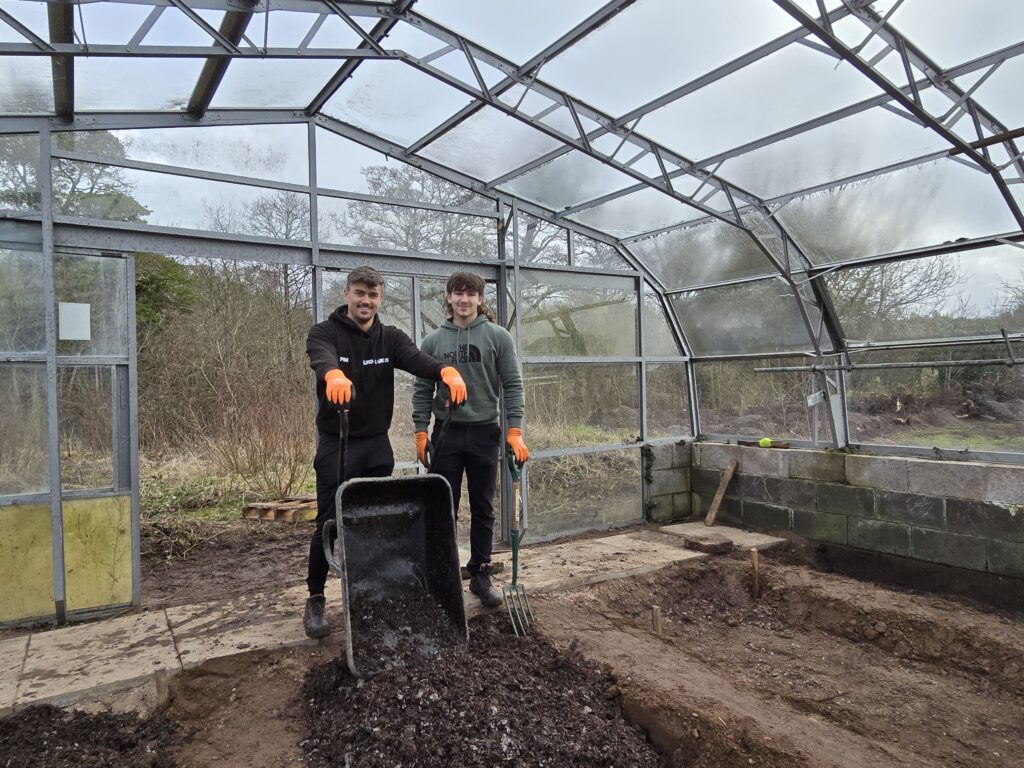
The Change 100 Programme, meanwhile, is an award-winning internship programme coordinated by Leonard Cheshire which supports paid work placements and mentoring for talented students and graduates with disabilities or long-term conditions. It aims to remove barriers experienced by disabled people in the workplace and allow them to achieve their potential.
Ultimately, having the right people, with the right skills, at the right time will be critical to the success of the industry as it moves into this next period of growth. The success of the industry rests on the success early careers programmes like these in building the leadership skills required in the next generation. These programmes will continue to all evolve further as we invest in the next generation – with the dual focus of delivering on individual company missions while also contributing to the wider industry Nuclear Skills Plan of attracting, retaining and enabling our future leaders.