
Decommissioning underpins ambitions for homegrown clean energy
Nuclear Waste Services shines a light on nuclear waste management at Nuclear Week in Parliament
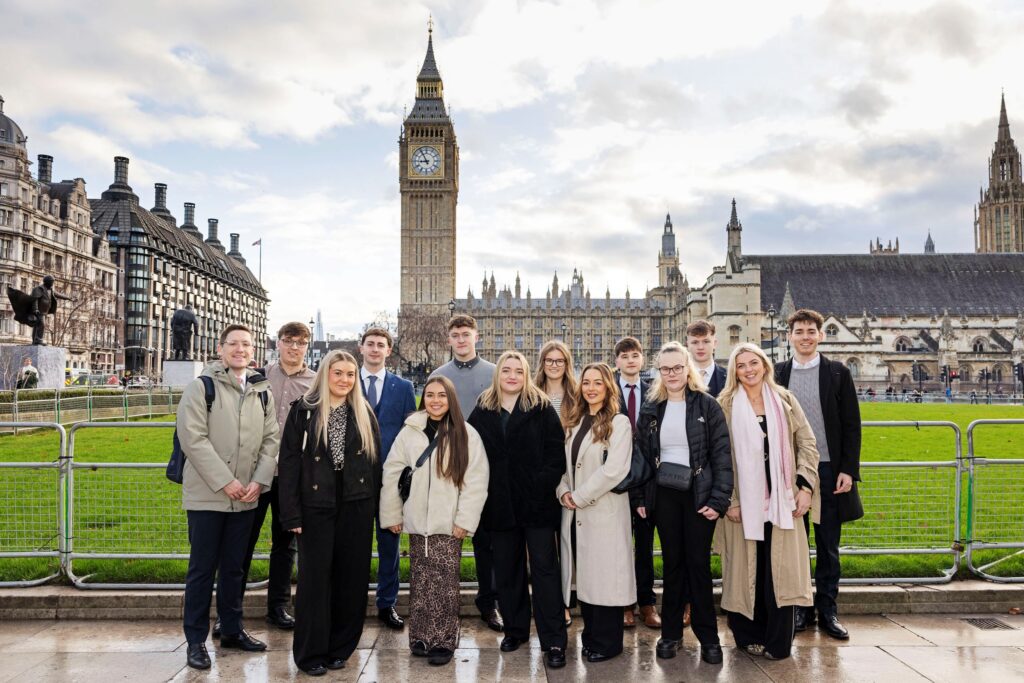
The Nuclear Decommissioning Authority (NDA) group put decommissioning at the forefront of the agenda at this year’s Nuclear Week in Parliament, as the essential foundation underpinning the Government’s ambition to become a clean energy superpower.
Representatives from across the NDA group, including Nuclear Waste Services (NWS), engaged with MPs and industry figures at the annual event, organised by the Nuclear Industry Association, to highlight progress on key programmes including taking on more sites from EDF for decommissioning, immobilising the UK’s plutonium stockpile and how it’s ensuring it has the skills needed for the future.
Seth Kybird, Chief Executive at Nuclear Waste Services, attended the event. He said:
“NWS is delivering a vital vision – to make nuclear waste permanently safe, sooner. This week was a fantastic opportunity to shine a light and engage in conversations about the critical role of radioactive waste management to the UK’s net-zero ambitions and industrial future.
“It was also great to see so many young people looking to start their careers in nuclear or exploring the wide opportunities on offer. I hope to see these young people working with us in the future to play a role in achieving our vision.”
The NDA group is tasked with safely, securely and sustainably decommissioning the UK’s earliest nuclear sites, and supporting the communities that host them, building public confidence that the UK nuclear industry is safe, secure, and that waste can be managed responsibly and cost-effectively.
In April 2026 that mission is set to expand, with the milestone transfer of Hunterston B from EDF. The former nuclear power station in North Ayrshire, Scotland, will be the first of seven AGR sites to join the NDA estate over the next two decades.
David Peattie, NDA Group CEO said:
“The transfer of AGR stations is the largest expansion of the NDA’s remit since its creation and a clear example of government policy in action and the strength of national collaboration, government and industry working hand in hand.
“It demonstrates why, under the NDA’s strategic leadership, Sellafield, Nuclear Waste Services (NWS), Nuclear Restoration Services (NRS), and Nuclear Transport Solutions (NTS) are trusted to take on more responsibility.
“Our unique capabilities go beyond our core mission. We are advancing UK Government ambitions and creating a lasting positive legacy for the nation.”

The event was also an opportunity to showcase progress towards the safe immobilisation of the UK’s plutonium inventory. In December 2025, the first can of plutonium residue was processed into a form suitable for disposal, delivering on government policy and making the nation safer.
Currently, over 1,100 apprentices and graduates are on NDA early careers schemes, with £55 million invested into early careers schemes annually, often developing talent in some of the UK’s most remote communities. The programme will also create thousands of skilled jobs – with growth of the UK’s decommissioning sector creating enormous social and economic opportunity, which the NDA group is well-placed to unlock
Minister for Skills, Baroness Jacqui Smith, said:
“I found the event particularly helpful because it highlighted how apprentices nationwide are developing their skills and contributing to the future of the nuclear industry. It provided a platform to celebrate our progress while reinforcing the importance of continued investment in early careers across the sector.
“This exposure allows us to bring new ideas, skills and perspectives back into our own organisation, helping us continue to improve.”
MPs attending NWiP also heard about the NDA’s commitment to supporting the communities that host its sites, investing £60 million in projects over the last 5 years delivering permanent and sustainable change, and attracting as additional £200 million in funding.

Jacob Leach, an apprentice at Nuclear Waste Services who attended NWiP, said:
“I found the event particularly helpful because it highlighted how apprentices nationwide are developing their skills and contributing to the future of the nuclear industry. It provided a platform to celebrate our progress while reinforcing the importance of continued investment in early careers across the sector.
“This exposure allows us to bring new ideas, skills and perspectives back into our own organisation, helping us continue to improve.”